
Understanding Backflow Prevention & Drinking Water Protection
Backflow prevention plays a vital role in protecting Australia’s drinking water supply. Whether you own a commercial building, manage a healthcare facility, operate an industrial site or oversee a strata property, understanding how backflow occurs and how it is prevented is essential for maintaining safe drinking water and meeting your compliance obligations.
This guide explains what backflow is, what causes it, the different types of backflow prevention devices, how testing works and why regular maintenance is required.
What is Backflow?
Backflow is the unwanted reversal of water flow within a plumbing system. Instead of clean drinking water flowing from the public water supply into your property, contaminated water flows in the opposite direction and has the potential to enter the drinking water network.
This contamination may include:
- Chemicals
- Fertilisers
- Pesticides
- Industrial fluids
- Boiler water
- Cleaning chemicals
- Wastewater
- Microorganisms
- Bacteria
- Other harmful contaminants
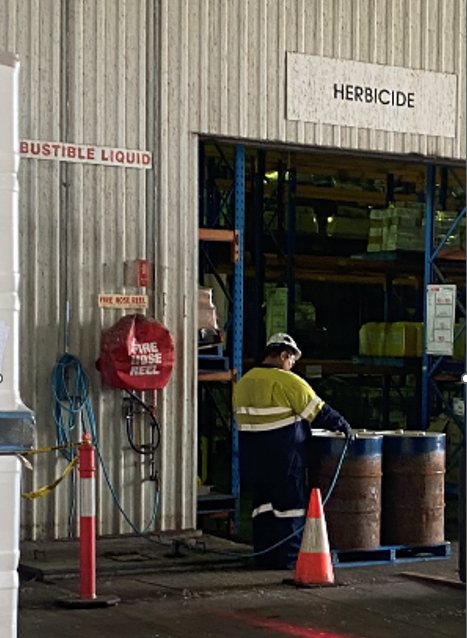
Backflow can occur unexpectedly whenever pressure conditions change within either the public water supply or a property’s plumbing system.
Without suitable backflow prevention devices, contaminants can enter the drinking water system and create significant health risks.
Why is Backflow Prevention Important?
Australia’s drinking water network supplies thousands of homes and businesses every day. Preventing contamination is essential for protecting public health.
Backflow prevention helps:
- Protect public drinking water
- Prevent contamination entering the water supply
- Reduce health risks
- Protect employees, customers and residents
- Meet water authority requirements
- Comply with Australian Standards
- Reduce business risk
- Protect valuable plumbing infrastructure
Because of these risks, water authorities require commercial and industrial properties to install approved backflow prevention devices.
What Causes Backflow?
Backflow occurs when water flows in the opposite direction to its intended path. There are two main causes of backflow: back pressure and back siphonage.
Although both result in reverse water flow, they occur under different conditions.
Back Pressure
Back pressure occurs when the pressure within a property’s plumbing system becomes higher than the pressure in the public water supply. This higher pressure can force water backwards into the drinking water network if suitable backflow protection is not installed.
Common causes include:
- Water pumps
- Elevated storage tanks
- Boilers
- Pressure vessels
- Heating systems
- Industrial process equipment
- Chemical dosing systems
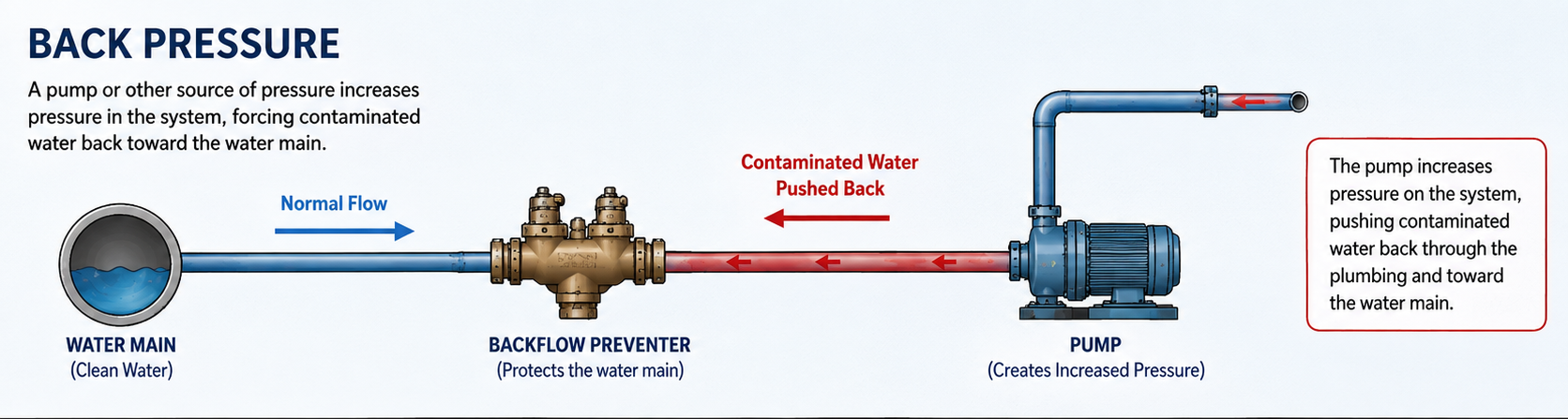
For example, a manufacturing facility may use pumps to increase water pressure for specialised equipment. If the pressure generated exceeds the pressure in the water main, contaminated water may be pushed back into the public water supply.
Back Siphonage
Back siphonage occurs when pressure in the public water supply suddenly falls below the pressure inside a property’s plumbing system. This creates a vacuum effect that draws water backwards through connected plumbing.
Common causes include:
- Burst water mains
- Water authority maintenance
- Firefighters using hydrants
- High water demand
- Water main repairs
- Rapid draining of pipelines
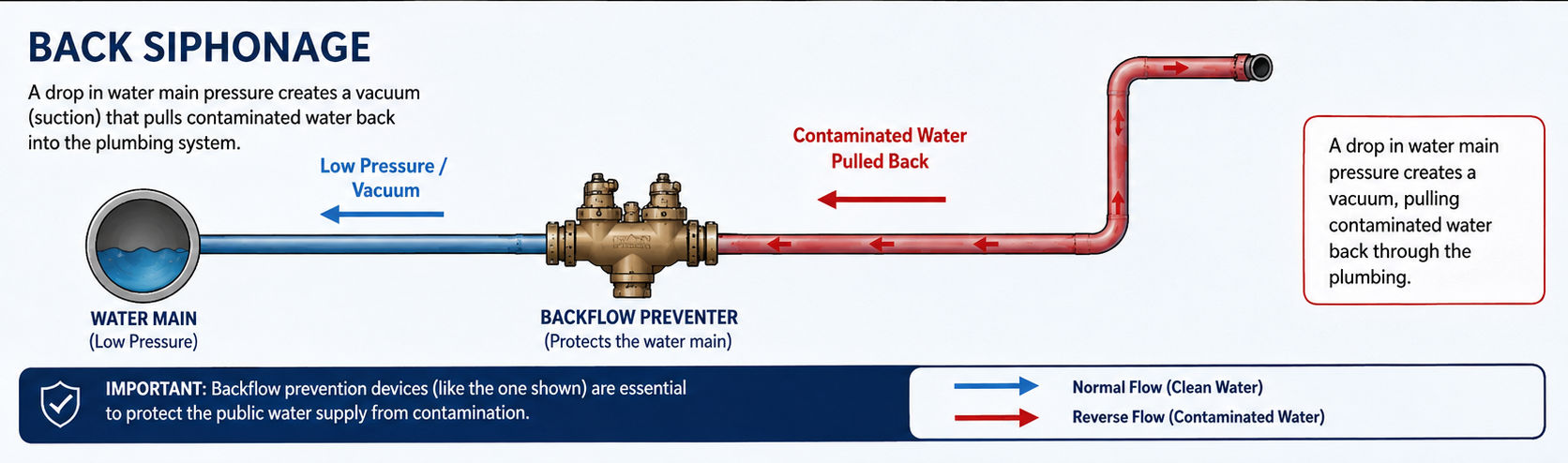
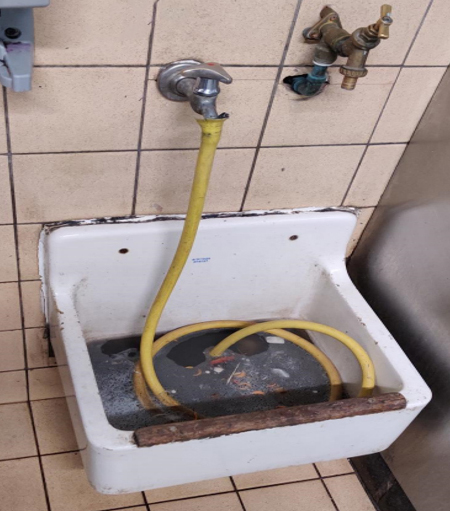
A common example is a garden hose submerged in a bucket containing fertiliser. If the water main suddenly loses pressure, the contaminated water can be siphoned back through the hose into the drinking water supply.
Key Differences To Remember
| Back Pressure | Back Siphonage |
|---|---|
| Water is pushed backwards. | Water is pulled backwards. |
| Caused by increased pressure inside the property. | Caused by reduced pressure in the water main. |
| Pumps, boilers and pressure systems. | Burst mains, firefighting and maintenance. |
Where is Backflow Most Common?
Backflow risks can exist anywhere a water supply connects to equipment or systems capable of contaminating drinking water.
Common examples include:
- Commercial buildings
- Industrial facilities
- Medical centres
- Hospitals
- Dental surgeries
- Childcare centres
- Schools
- Universities
- Shopping centres
- Apartment buildings
- Hotels
- Aged care facilities
- Fire sprinkler systems
- Irrigation systems
- Cooling towers
- Car washes
- Food manufacturing facilities
- Chemical plants
- Commercial laundries
Types of Backflow Prevention Devices
Different plumbing systems require different levels of backflow protection depending on the level of hazard.
Common devices include:
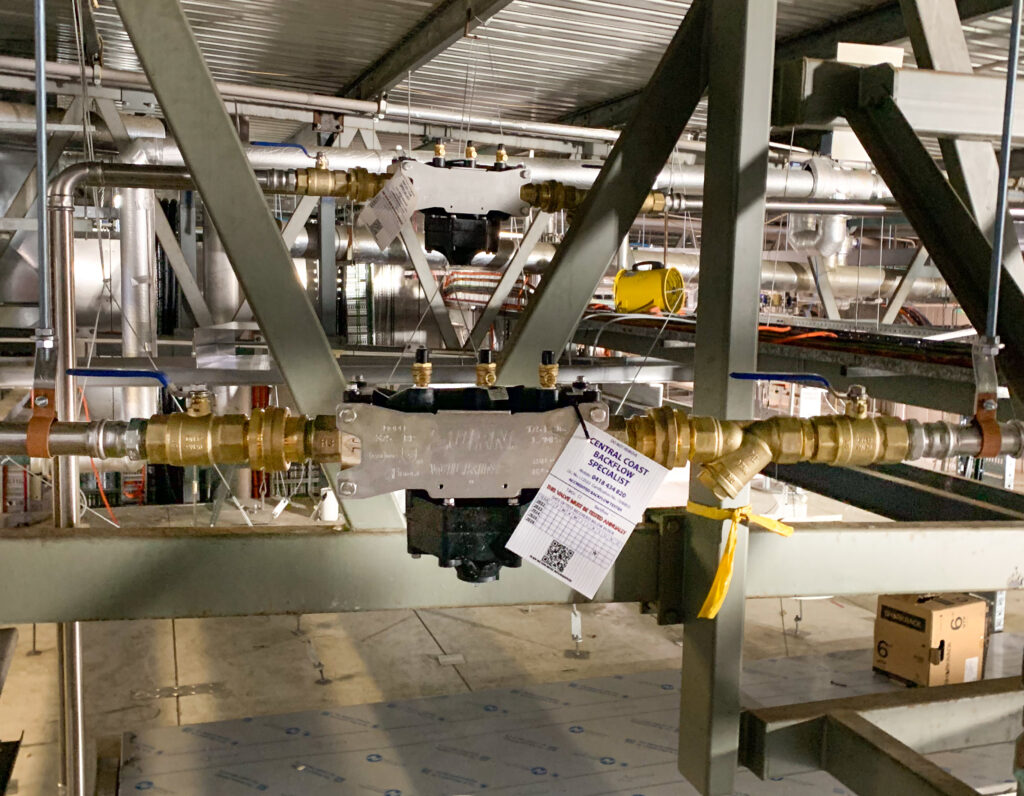
Reduced Pressure Zone Devices (RPZD)
Used where there is a high risk of contamination. RPZ valves provide one of the highest levels of mechanical backflow protection.
Typical applications include:
- Hospitals
- Chemical processing
- Industrial facilities
- Commerical buildings
- Grease Traps
- Medical buildings
- Cooling towers
- All high hazard installations
Double Check Valve Assemblies (DCVA)
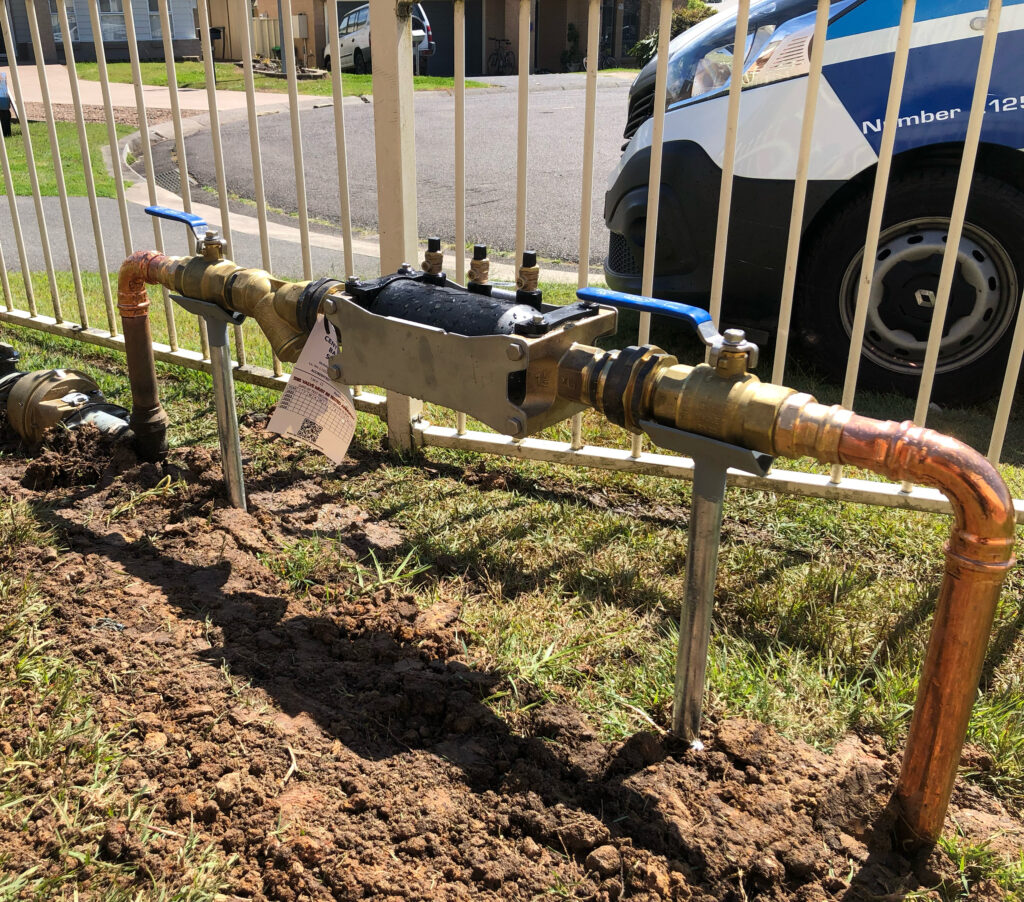
Designed for medium hazard applications where contamination risks are lower.
Commonly found on:
- Commercial buildings
- Irrigation systems
- Fire services
- Sprinkler services
- Shopping centres
Air Gaps
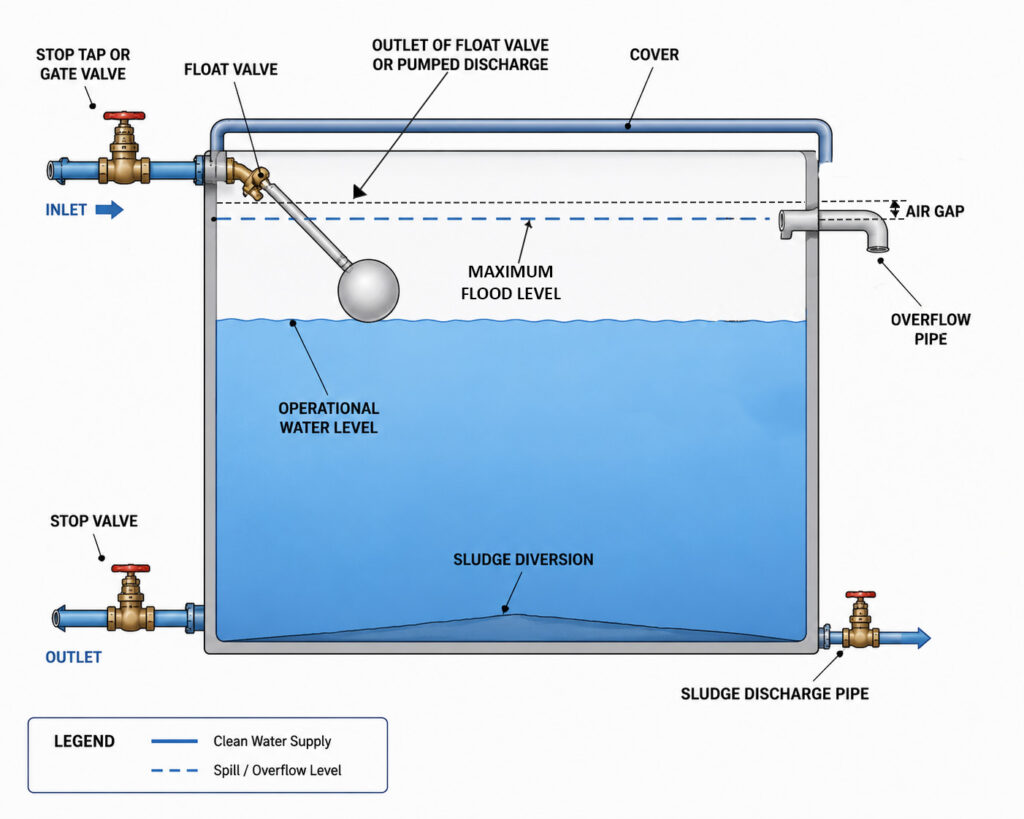
An air gap provides physical separation between drinking water and a potential contamination source.
Because there is no direct connection, an air gap provides one of the safest forms of backflow protection and therefore can protect against High hazards. air gaps must be maintained and certified annually.
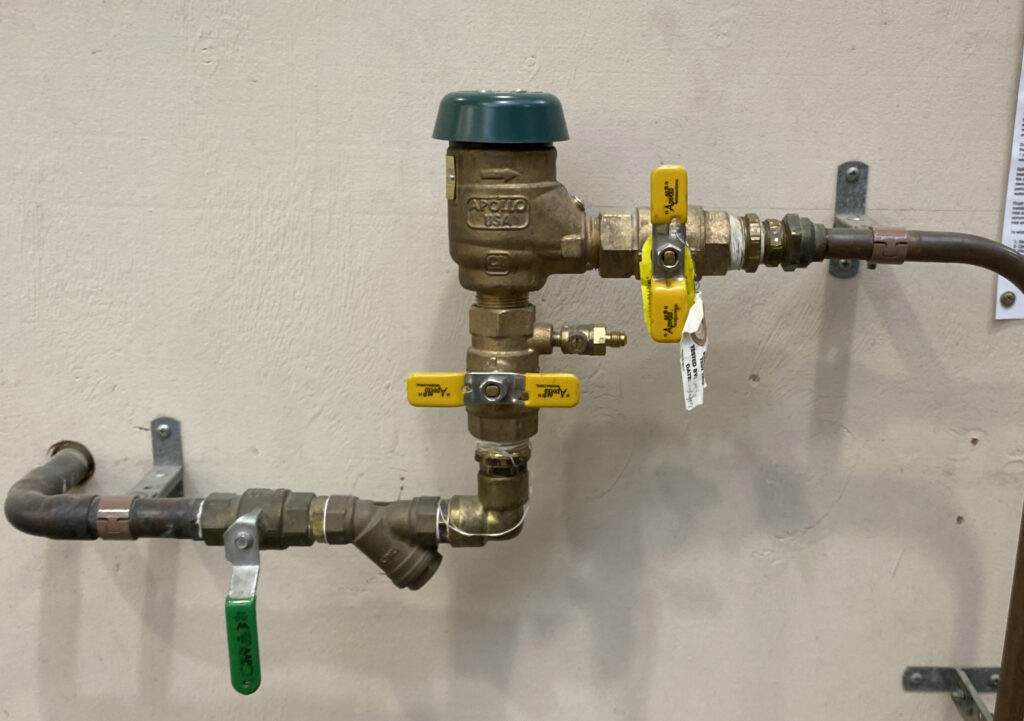
Vacuum Breakers
Vacuum breakers are designed primarily to protect against back siphonage and do not provide protection against back pressure.
These are commonly installed on:
- Hose taps
- Irrigation systems
- External water outlets
Who Needs a Backflow Prevention Device?
Not every property requires a registered backflow prevention device.
Water authorities and backflow specialist assess the level of risk based on:
- Property use
- Plumbing design
- Hazard rating
- Connected equipment
- Potential contamination sources
Understanding Hazard Ratings
The level of risk determines which backflow prevention device is suitable.
Low Hazard
A backflow situation where the it would be considered a nuisance if it were to occur. Such as the water would not pose a health risk but may affect taste, colour or appearance.
Medium Hazard
Water could contain substances that may cause illness but are unlikely to present a serious health risk.
High Hazard
Water contains contaminants capable of causing serious illness or death if introduced into the drinking water supply.
Higher hazard applications require more sophisticated backflow prevention devices.
How Often Should a Backflow Device Be Tested?
Backflow prevention devices require annual testing by an accredited backflow plumber.
Regular testing ensures:
- Valves operate correctly.
- Internal components remain serviceable.
- The device continues protecting the drinking water supply.
- Compliance requirements are met.
Following testing, results are recorded and certificates are lodged with the relevant water authority where required.
Can I Test My Own Backflow Device?
No. Backflow testing must be carried out by a licensed plumber who holds the appropriate backflow prevention accreditation. Specialist calibrated test equipment is also required to accurately assess the performance of the device.
What Happens if a Device Fails?
A failed test does not necessarily mean the entire device needs replacing.
Many faults can be repaired by replacing worn internal components such as:
- Springs
- Rubber seals
- O-rings
- Check valves
- Relief valve components
Once repairs are completed, the device is retested to confirm it meets the required performance standards.
What Happens During Backflow Testing?
A typical backflow test includes:
- Visual inspection
- Isolation of the device
- Connection of calibrated test equipment
- Testing upstream and downstream isolating valves
- Testing individual check valves
- Testing relief valves (where applicable)
- Recording test results
- Completing compliance documentation
- Lodging certificates with the relevant water authority
If faults are identified, repairs or replacement may be recommended before the device is retested.
Common Signs a Backflow Device May Need Attention
Contact a licensed backflow plumber if you notice:
- Water leaking from the device
- Water discharging from the relief valve
- Visible corrosion
- Physical damage
- Reduced water pressure
- Failed compliance testing
- Unusual noises during operation
Regular preventative maintenance often identifies problems before they result in a failed compliance test.
Frequently Asked Questions
What is backflow?
Backflow is the unintended flow of water or contaminates flowing backwards in a plumbing system.
What causes backflow?
Backflow is caused by back pressure or back Siphonage due to differing pressures
What is a Cross-Connection?
A Cross-Connection is any physical or potential connection between a potable water supply and hazardous material or one of questionable quality.
What is back siphonage?
Back siphonage is caused by a negative pressure (i.e. a vacuum or partial vacuum) in a public water system or consumers potable water system.
Is backflow dangerous?
Backflow has the potential to be life threatening or even cause death if hazardous substances are mix with drinking water.
What is back pressure?
Back pressure is caused by a positive pressure in the the consumer piping than is higher than the water mains pressure, example of how this could occur are pumped systems or processing machines that use water
What is an RPZ valve?
A RPZ or RPZD valve an acronym for a reduced pressure zone device. It is a backflow prevention device that prevents backflow for occurring, this type of device is usually installed on a high hazard.
What is a double check valve?
A double check valve is a device that prevents backflow from occurring, this type of device is usally installed on a Medium hazard.
How often should a backflow device be tested?
Backflow devices must be tested annually to verify they are functioning correctly.
Can a backflow device be repaired?
Yes. In many cases Backflow devices can be repaired provided there is no internal damage such as internal corrosion to the body of the valve.
Who can test a backflow prevention device?
Only a licenced plumber that has the additional backflow accreditation can test a backflow prevention device.
Does every business need a backflow device?
Business need to be surveyed by an accredited backflow plumber to determine if there facility requires backflow prevention and what hazard category they fall under.
What happens if my backflow device fails?
Backflow devices must be repaired or in some cases replaced if a backflow device fails the annual test.
Can residential properties require backflow prevention?
Yes. Residential properties can require a backflow prevention devices if they have a hazard on their property. Some examples would include hose taps in the near vicinity of on-site sewerage treatment tanks, or rain water tanks interconnected with mains water supply.
Learn More About Our Backflow Services
After learning about backflow prevention, you may also find these specialist services helpful: