
Backflow prevention devices are required in a wide range of residential, commercial, industrial and agricultural applications to protect drinking water supplies from contamination. Where a backflow prevention device is required, and the type of device suitable for the application, depends on the potential contamination risk, the property’s water supply arrangements and the relevant plumbing and water authority requirements. Each fixture, zone, or containment is give a Hazard Rating and subsequently matched with a suitable type of backflow prevention.
The following guide provides examples of activities, equipment and premises where backflow prevention may be required, along with their associated hazard ratings and typical device requirements. It is intended to help property owners, facility managers, plumbers and businesses understand where backflow prevention may be necessary.
Important – Guide Only
The information provided in this guide is for general information purposes only. It is not a substitute for a site-specific backflow risk assessment or inspection. The actual backflow prevention requirements for a property can vary depending on its plumbing configuration, water supply connections, activities undertaken and potential contamination risks.
A qualified and appropriately accredited backflow specialist should inspect the property and assess the relevant hazards to determine the appropriate backflow prevention requirements. Final requirements must also comply with applicable Australian Standards, plumbing regulations and the relevant water authority’s requirements.
Understanding Backflow Hazard Ratings
Backflow hazard ratings are used to determine the potential risk that a particular installation or activity poses to the drinking water supply. The hazard classification helps determine the appropriate level of backflow protection required.
The three general hazard classifications are:
- High Hazard: Water contains contaminants capable of causing serious illness or death if introduced into the drinking water supply.
- Medium Hazard: Water could contain substances that may cause illness but are unlikely to present a serious health risk.
- Low Hazard: A backflow situation where the it would be considered a nuisance if it were to occur. Such as the water would not pose a health risk but may affect taste, colour or appearance.
The hazard classification is an important consideration when determining the type of backflow prevention device required.
Types of Backflow Prevention Devices
Legend:
AG = air gap
AVB = atmospheric vacuum breaker
DCDA = double check detector assembly
DCV = double check valve
RAG = registered air gap
RBT = registered break tank
RPDA = reduced pressure detector assembly
RPZD = reduced pressure zone device
SCDAT = single check detector assembly (testable)
SCVT = single check valve (testable)
AGRICULTURAL, HORTICULTURAL AND IRRIGATION SYSTEMS
| Form of cross-connection | Hazard rating | Backflow prevention device |
|---|---|---|
| Antibiotic injectors | High | RBT or RPZD |
| Irrigation systems injected with fertilizers, herbicides, nematicides and insecticides | High | RBT or RPZD |
| Fogging and cleaning sprays with chemical injection | High | RBT or RPZD |
| Drinking nipples and troughs | High | RAG or RBT or RPZD |
| Irrigation systems Outlets less than 150 mm above finished surface level and not involving injection systems | Medium | Testable device |
INDUSTRIAL AND COMMERCIAL
| Form of cross-connection | Hazard rating | Backflow prevention device |
|---|---|---|
| Fogging and cleaning spray equipment with chemical injection or additive | High | RBT or RPZD |
| Pan washing apparatus | High | RBT or RPZD |
| Chemical dispensers (high toxicity) | High | RAG, RBT or RPZD |
| Weed and pest spraying and water cartage tanks | High | RAG or RPZD |
| Mixing of chemicals | High | RAG or RPZD |
| Portable and mobile tankers | High | RAG or RPZD |
| Chemical dispensers (low toxicity) | Medium | Testable device |
| Coils and jackets in heat exchangers—unsealed and toxic environment | Medium | DCV |
| Coils and jackets in heat exchangers—sealed and non-toxic environments | Low | Non-testable device |
| Photographic processing machines (no developer mixing) | Low | Non-testable device |
| Electroplating, degreasing, descaling, stripping, pickling, dipping, etc., tanks, vats and vessels | High | RBT or RPZD |
| Commercial laundries | High | RAG or RPZD |
| Cooling or heating systems with recirculating water | High | RAG or RPZD |
| Clean-in-place systems (i.e. internal chemical cleaning takes place without dismantling equipment) | High | RAG or RPZD |
| Dockside facilities | High | RAG or RPZD |
| Industrial process water that has been recirculated | High | RAG or RPZD |
| Industrial and teaching laboratories | High | RAG or RPZD |
| Aircraft facilities | Medium | Testable device |
| Secondary school laboratories (including fume cupboards) | Medium | Testable device |
| Water filtration equipment | Low | Non-testable device |
HOSPITALS/MEDICAL LABORATORIES, NURSING HOMES
| Form of cross-connection | Hazard rating | Backflow prevention device |
|---|---|---|
| Equipment used for handling, mixing, measuring and processing chemical and microbiological substances | High | RAG or RPZD |
| Photographic developers. Developer mixing facilities | High | RAG or RPZD |
| Dental console | High | RAG or RPZD |
| Haemodialysis machines | High | RAG or RPZD |
| Dissecting rooms in hospitals and medical buildings | High | RBT or RPZD |
| Mortuary equipment used in funeral parlours, mortuaries, autopsy areas | High | RBT or RPZD |
| Utility rooms, where other than handbasins are installed | High | RBT or RPZD |
| Operating theatres in hospitals and medical buildings | High | RBT or RPZD |
| Dental and medical surgeries | High | RAG or RPZD |
FIXTURES AND APPLIANCES
| Form of cross-connection | Hazard rating | Backflow prevention device |
|---|---|---|
| Bidets | High | RBT or RPZD |
| Food preparation or food storage tanks, vats and vessels with clean-in-place systems | High | RAG or RPZD |
| Fixtures used for food preparation, e.g. sinks | Low | AG |
| Fixtures used for ablutions, e.g. baths, bidettes, basins, showers | Low | AG |
| Laundry troughs | Low | AG |
| Hair salons basins or troughs | Low | Non-testable device |
| Carbonated drink dispensing machines | Low | Stainless steel dual CV (intermediate) vent |
| Drink-dispensing equipment, vending machines, coffee machines | Low | Non-testable device |
| Food preparation or food storage tanks, vats and vessels | Low | AG/non-testable device |
| Sanitary dump points | High | RAG or RPZD |
| Food storage tanks, vats and vessels with clean-in-place systems | High | RAG or RPZD |
| Food storage tanks, vats and vessels | Low | Non-testable device |
HOSE ATTACHMENT OUTLETS
| Form of cross-connection | Hazard rating | Backflow prevention device |
|---|---|---|
| External hose taps | Low | Non-testable device |
| Hose taps located within 18 m of a zone-protected area | Same hazard rating as zone protected area | Various depending on hazard rating |
WATER SUPPLY SYSTEMS PERMANENTLY ATTACHED
| Form of cross-connection | Hazard rating | Backflow prevention device |
|---|---|---|
| Steam boilers | Low | BT |
| Cooling towers | High | RAG or RPZD |
| Steam calorifier | Medium | Testable device |
WATER TREATMENT SYSTEMS
| Form of cross-connection | Hazard rating | Backflow prevention device |
|---|---|---|
| Demineralizing equipment using ion-exchange resins with acid and alkali regeneration | High | RBT or RPZD |
| Plants with auxiliary non-drinking water supplies | High | RBT or RPZD |
| Drinking water in reclaimed water plants | Low | Non-testable device |
| Chlorinators | Medium | Testable device |
| In-line water softeners and filters | Low | Non-testable device |
FIRE SERVICES
| Form of cross-connection | Hazard rating | Backflow prevention device |
|---|---|---|
| Fire hose reels located in areas of hazard have to have a backflow prevention device in line with the hazard ratings of the areas within reach of the fire hose | Medium | DCV |
| Home fire sprinklers systems | Low | DCV or Dual CV |
| Bushfire water spray systems | Low | Non-testable device or AG |
CONTAINMENT PROTECTION
| Form of cross-connection | Hazard rating | Backflow prevention device |
|---|---|---|
| Premises with an alternative water supply excluding rainwater tanks | High | RBT or RPZD |
| Premises where inspection is restricted | High | RBT or RPZD |
| Hospitals, mortuaries, clinics and the like | High | RBT or RPZD |
| Piers, docks and other waterfront facilities | High | RBT or RPZD |
| Sewage treatment plants and sewage lift stations | High | RBT or RPZD |
| Chemical plants | High | RBT or RPZD |
| Metal finishing plants | High | RBT or RPZD |
| Petroleum processing or storage plants | High | RBT or RPZD |
| Radioactive material processing plants or nuclear reactors | High | RBT or RPZD |
| Car and plant washing facilities | High | RBT or RPZD |
| Abattoirs | High | RBT or RPZD |
| Factories using processing or manufacturing toxic chemicals | High | RBT or RPZD |
| Chemical laboratories | High | RBT or RPZD |
| Pathology laboratories | High | RBT or RPZD |
| Sanitary depots | High | RBT or RPZD |
| Universities | High | RBT or RPZD |
| Food and beverage processing plants | Medium | Testable device |
| Caravan parks | Medium | Testable device |
| Marinas | Medium | Testable device |
| Premises with greywater re-use systems | Medium | Testable device |
| Public swimming pools | Medium | Testable device |
| Premises with reticulated and disinfected reclaimed water systems | Medium | Testable device |
| Premises with rainwater tanks – Buried | Medium | Testable device |
| Premises with rainwater tanks – Partly buried | Medium | Testable device |
| Premises with rainwater tanks – Above ground | Low | Non-testable device |
| Premises with reticulated recycled water system | Low | Non-testable device |
| Premises with reticulated recycled water system | Low | Non-testable device |
| All premises fire services Low | Low | SCVT or SCDAT |
| All premises fire services Medium | Medium | DCV or DCDA |
| All premises fire services High | High | RBT or RPZD or RPDA |
Why a Property Inspection Is Important
While industry tables and hazard classifications provide a useful guide, they cannot identify every potential backflow risk within a property.
Two properties undertaking similar activities may have different backflow prevention requirements due to differences in their plumbing arrangements, water connections, equipment and potential contamination sources.
A site inspection allows a backflow specialist to assess the actual installation, identify potential cross-connections and determine whether suitable backflow prevention measures are in place.
Backflow Prevention Assessments and Compliance
Central Coast Backflow Specialist provides professional backflow prevention services for commercial, industrial, agricultural and other properties across the Central Coast, Newcastle and Lake Macquarie.
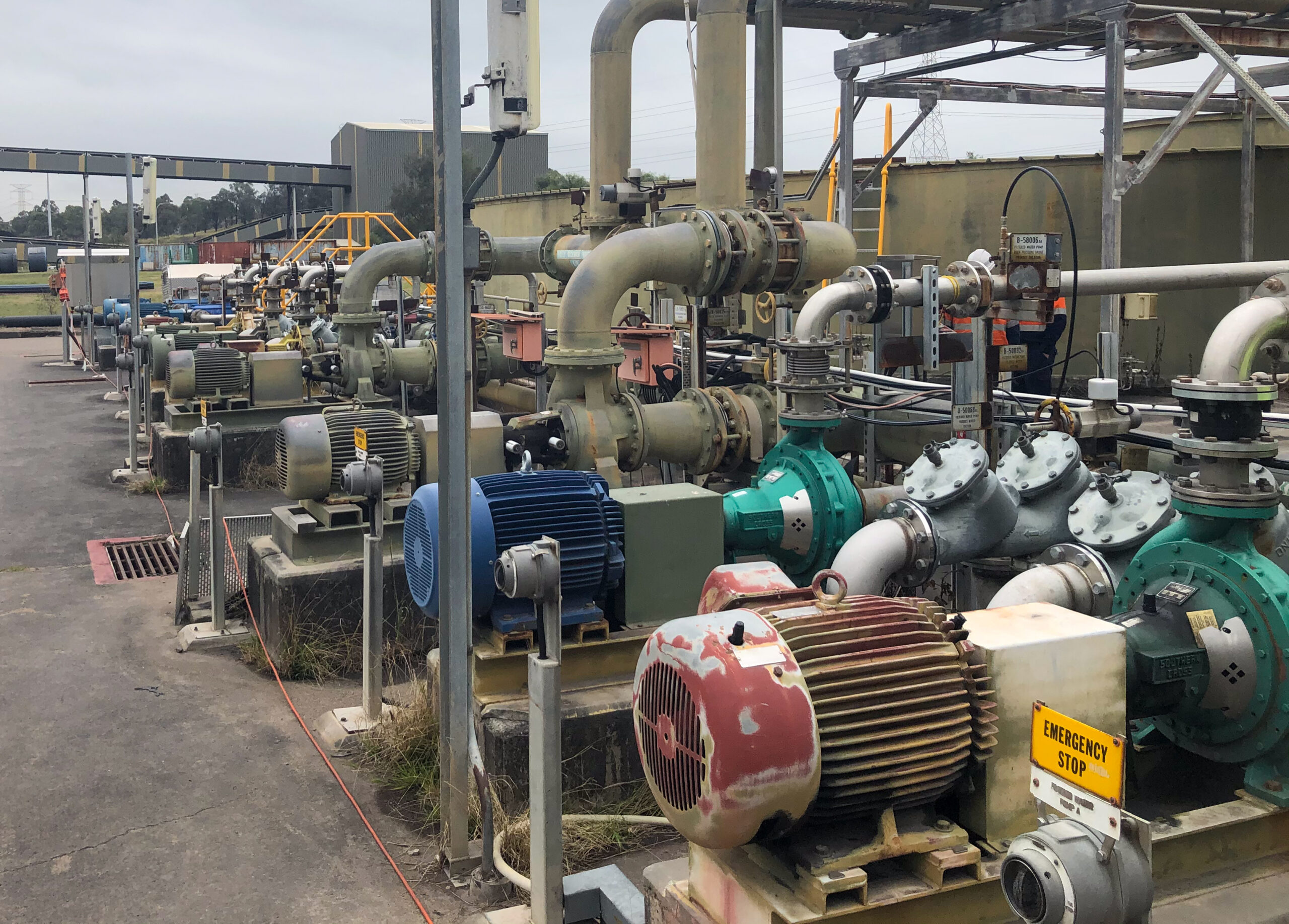
Our services include backflow prevention testing, device installation, repairs, commissioning and compliance management. We can help identify potential backflow risks, assess existing installations and assist property owners and facility managers with their backflow prevention responsibilities.